


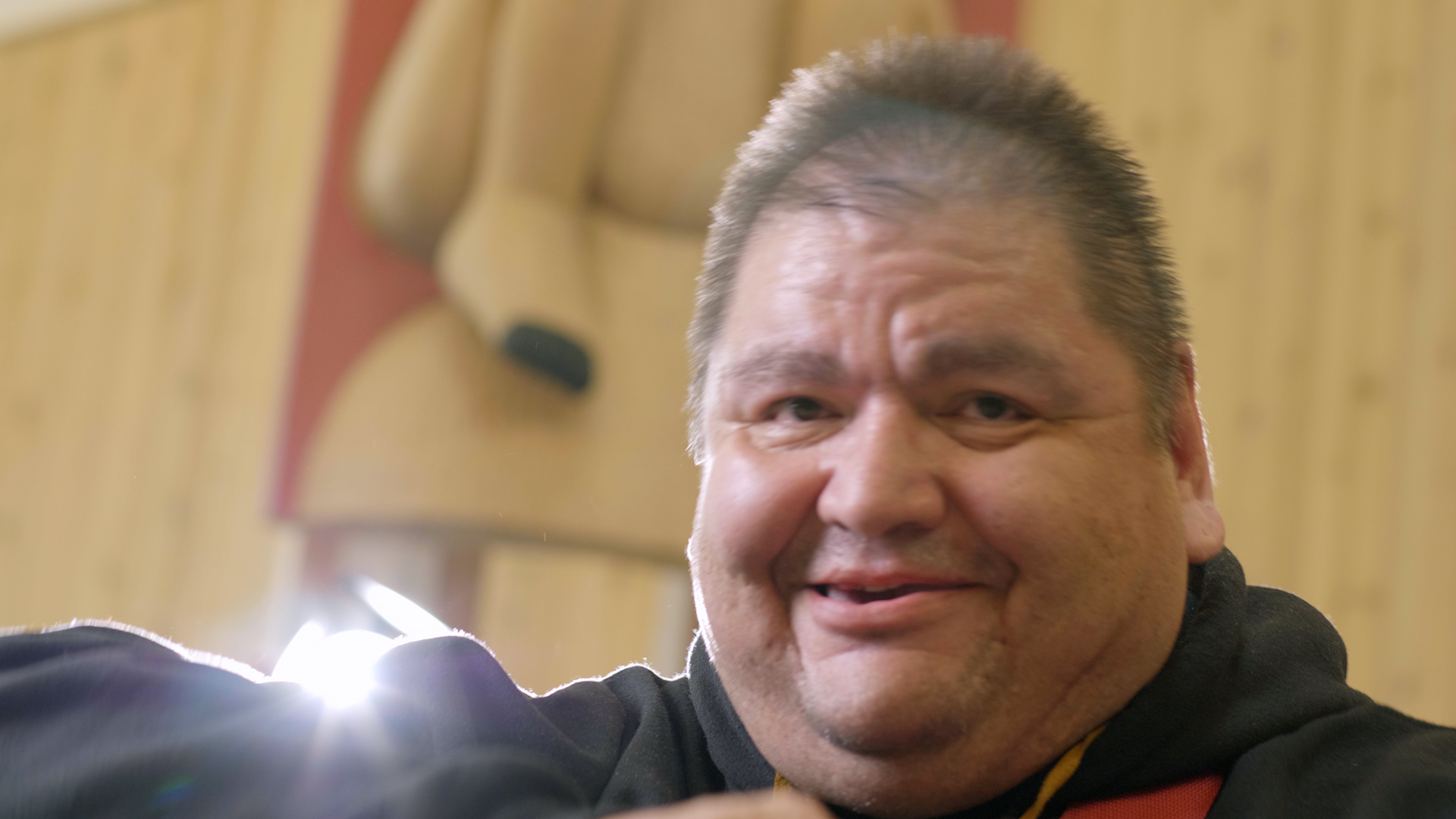
Most people notice the edit. Almost nobody notices why the edit works. A lot of it comes down to a decision we make before anyone says a word. We point two cameras at every interview, every time.
It sounds like a small technical choice. It isn't. It changes what kind of story we can tell once we get into the edit suite.
With a single camera, every cut has to be a jump cut or a jump to b-roll. Fine in a pinch. But it forces the edit instead of serving the story. You end up keeping a clumsy sentence because cutting it would look ugly.
A second angle solves that. We trim a rambling answer down to the one line that matters, switch to the wide at the cut, and the join disappears. The viewer never feels the surgery. They just feel like the person was articulate.
The best line in an interview is usually the one the person didn't rehearse. It arrives mid-sentence, half-formed, while they are looking away or laughing at their own answer. With one camera, if they are off-axis or the framing is loose, that moment is gone. With two, we almost always have a clean version waiting on the other angle.
We have built whole films around lines the subject didn't even remember saying.
We usually set the second angle tighter. A hand turning a wedding ring. Eyes filling up a beat before the voice catches up. That texture is what makes a documentary feel intimate instead of corporate. You cannot fake it in post and you cannot ask for it. You can only be ready when it happens.
Two cameras cost more. They take longer to light and longer to set up. We do it anyway, because the difference shows up in the only place that counts. Whether you keep watching.